Introduction: Visible Factory Strength vs. Real Manufacturing Capability
In global supply chain sourcing, many companies evaluate suppliers based on visible factors such as:
✓ Factory size
✓ Production equipment and technology level
✓ Number of employees
✓ Annual production value
✓ Industry certifications and qualifications
These indicators are certainly important. However, they mainly reflect a factory’s visible capability.For companies seeking long-term supply chain partnerships, a more critical question is: Does this factory have stable, efficient, cost-effective, and sustainable manufacturing capabilities?
Among many manufacturing capability indicators, there is one that is often overlooked but highly valuable:Material Utilization Rate.
Material utilization rate is not simply a cost indicator. Behind this metric, it reflects a manufacturer’s:
✓ Engineering design capability
✓ Manufacturing process capability
✓ Production management capability
✓ Product yield control capability
✓ Technology maturity
Simply put: A factory’s material utilization rate often reveals its true manufacturing capability.
1. What Is Material Utilization Rate?
Material utilization rate refers to: The percentage of raw materials that are ultimately transformed into qualified products during the manufacturing process.
The basic formula is: Material Utilization Rate = Value of Effective Product Materials ÷ Total Input Material Value × 100%.
For example: A company manufactures a metal structural component.
✓ Total raw material input: 100 kg
✓ Material contained in qualified products: 90 kg
The material utilization rate is approximately 90%. The remaining 10% may come from:
✓ Processing waste
✓ Cutting loss
✓ Defective products
✓ Process limitations
✓ Insufficient design optimization
Therefore, a higher material utilization rate usually indicates:
✓ Less material waste
✓ Lower production costs
✓ More mature manufacturing processes
However, it is important to understand that: Higher material utilization rate does not always mean better manufacturing capability.
Different products require different engineering approaches. For example, aerospace components and high-precision equipment parts may intentionally sacrifice some material efficiency to achieve higher:
✓ Performance standards
✓ Safety requirements
✓ Reliability levels
Therefore, material utilization rate should always be evaluated together with:
✓ Product performance indicators
✓ Reliability requirements
✓ Quality standards
2. Material Utilization Rate Directly Reflects Cost Competitiveness
One of the core competitive factors in manufacturing is cost control. Many purchasing companies simply compare supplier quotations when selecting suppliers.However, Price is only the final result. The real driver behind price competitiveness is manufacturing capability.
A factory with high material utilization efficiency usually has:
2.1 Stronger Product Design Capability
Excellent engineering teams can:
✓ Optimize product structures
✓ Reduce unnecessary material usage
✓ Improve material conversion efficiency
For example:Two factories manufacture the same product. A traditional factory requires 10 kg of materials; A more advanced factory requires 8.5 kg of materials through structural optimization.Over time, this difference creates a significant cost advantage.
2.2 More Mature Manufacturing Processes
Material waste often comes from:
✓ Insufficient machining accuracy
✓ Unstable process parameters
✓ Inefficient production workflows
✓ Excessive dependence on manual experience
If a factory continuously improves its material utilization rate, it demonstrates that the company has accumulated long-term process optimization capabilities.This capability cannot be easily copied in the short term.
3. Material Utilization Rate Reflects Product Yield Performance
Many buyers ask:“How many products can this factory produce every year?” However, a more important question is:“How many qualified products can this factory consistently deliver?”This is the concept of Yield Rate. Material utilization rate is closely related to production yield. If a factory has:
✓ High material waste
✓ High defect rates
✓ Frequent rework requirements
It usually indicates:
✓ Insufficient process stability
✓ Weak production control capability
✓ Problems in quality management systems
For example,Two factories produce the same electronic product.
Factory A:
·✓ 1,000 sets of materials input
·✓ 950 qualified products produced
Factory B:
✓ 1,000 sets of materials input
✓ 850 qualified products produced
Although both factories have production capability, Factory A clearly demonstrates:
✓ More stable processes
✓ Better quality control
✓ Lower production waste
Therefore, A high material utilization rate is often an important indicator of strong manufacturing yield performance.
4. Material Utilization Rate Reflects Manufacturing Process Maturity
The biggest difference between an advanced factory and an average factory is not only equipment.The deeper difference is The level of understanding and control over the manufacturing process.
Mature manufacturers usually have:
Standardized Production Systems, including:
✓ SOP (Standard Operating Procedures)
✓ Process parameter control
✓ Quality inspection checkpoints
✓ Production data tracking
Continuous Improvement Systems, including:
✓ Reducing material waste
✓ Optimizing production workflows
✓ Increasing automation levels
✓ Improving product design
Many manufacturing capabilities cannot be achieved simply by purchasing equipment. Equipment can be purchased.However:
✓ Manufacturing experience
✓ Process optimization capability
✓ Problem-solving capability
require years of accumulation.
Therefore,material utilization rate represents the manufacturing experience and process knowledge accumulated over years.
5. Material Utilization Rate Should Not Be Evaluated Separately from Product Performance
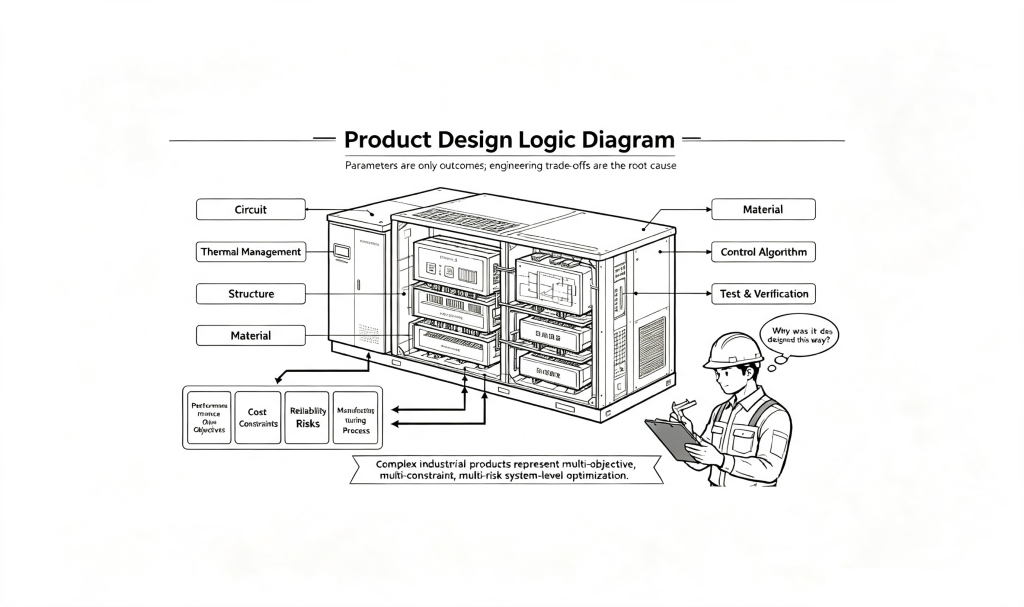
Although material utilization rate is important, it should not become the only evaluation standard. The reason is simple: Manufacturing is not only about reducing costs. It is about achieving the best balance between performance, quality, and cost.
For example, in a battery energy storage system, if a manufacturer reduces critical materials only to lower costs, resulting in:
✓ Lower safety performance
✓ Reduced cycle life
✓ Poor stability
then high material utilization has no real value. Therefore, supplier evaluation should consider:
✓ Product performance indicators
✓ Manufacturing stability
✓ Cost control capability
A truly excellent manufacturer is one that: Achieves higher material efficiency while maintaining required product performance standards.
6. High Material Utilization Rate Demonstrates Overall Manufacturing Capability
If a factory achieves:
✓ Required product performance
✓ Stable product quality
✓ High material utilization efficiency
this usually indicates strong capabilities in:
✓ Product design
✓ Engineering optimization
✓ Manufacturing processes
✓ Cost management
✓ Production management
Because material utilization is not controlled by one department alone.It requires:
✓ R&D teams→ Optimize product structures
✓ Engineering teams→ Improve manufacturing processes
✓ Production teams→ Maintain stable production
✓ Quality teams→ Control product yield
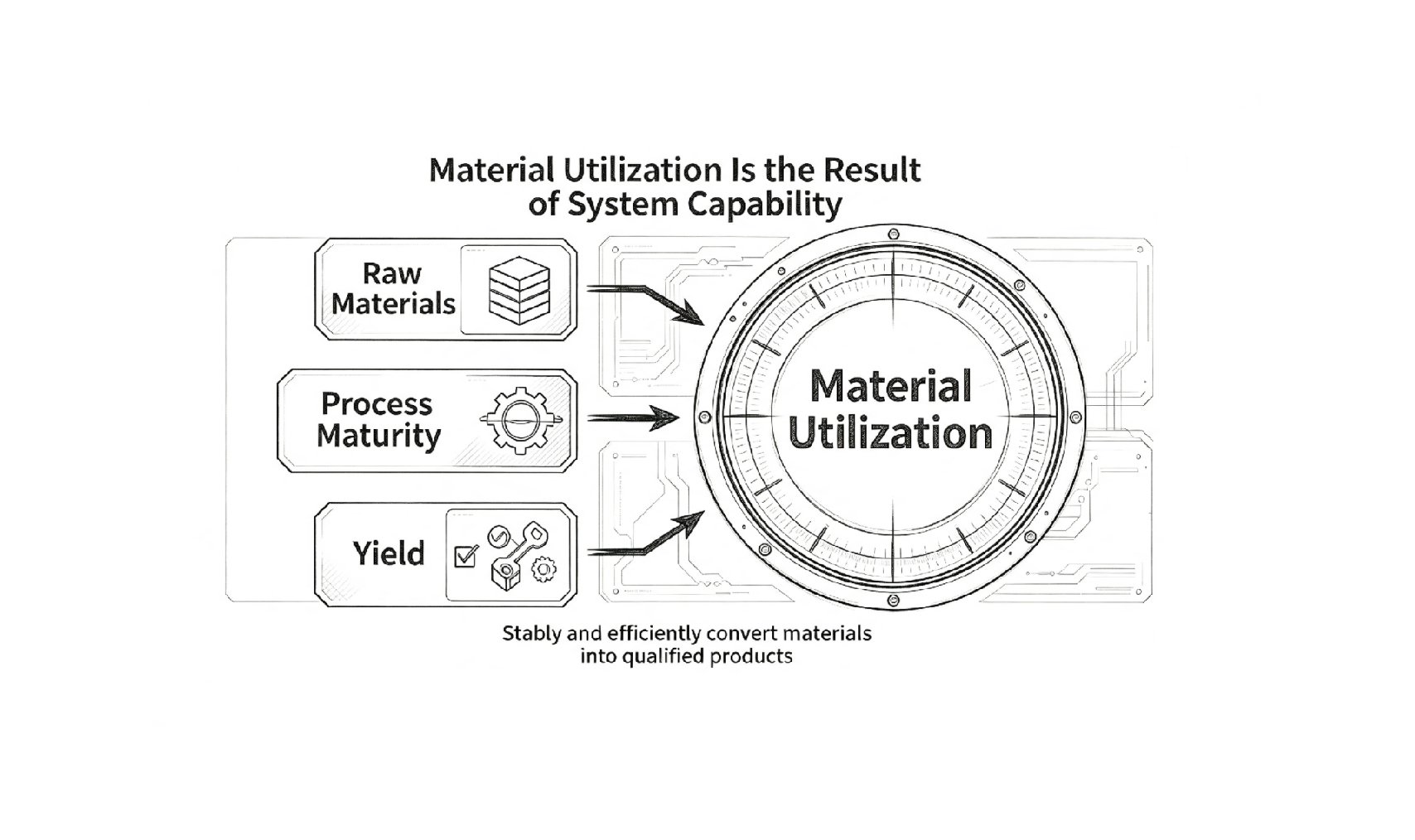
Therefore: Material utilization rate is the result of a company’s overall manufacturing capability.
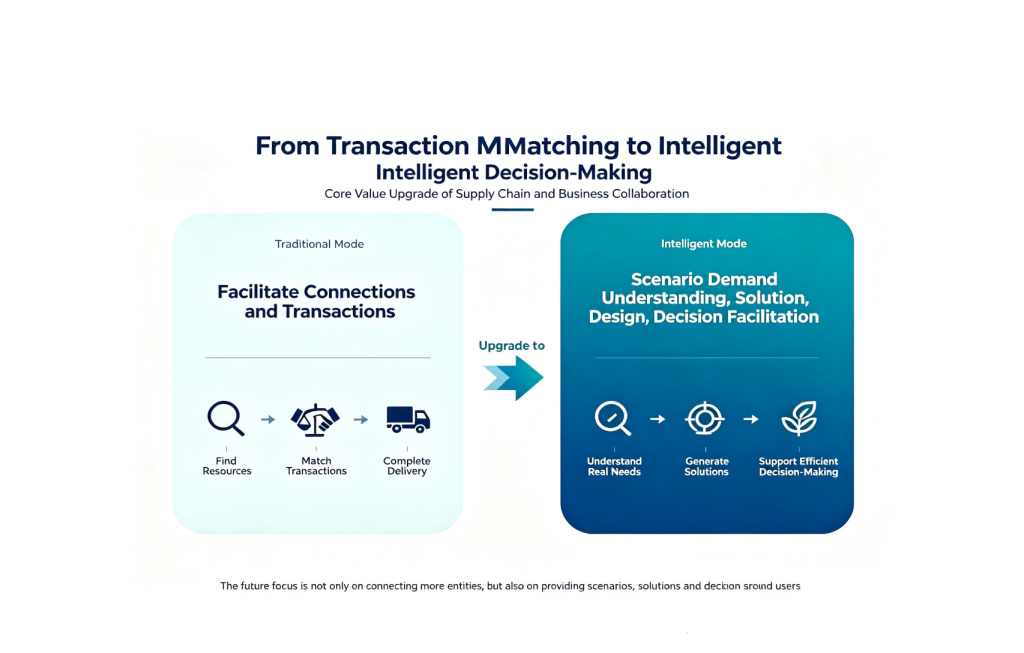
7. Future Supplier Evaluation: From Factory Size to Manufacturing Capability
In the past, international buyers often evaluated suppliers by asking:“How large is this factory?”
In the future, the more important question will become:“How advanced and reliable is this manufacturing system?”
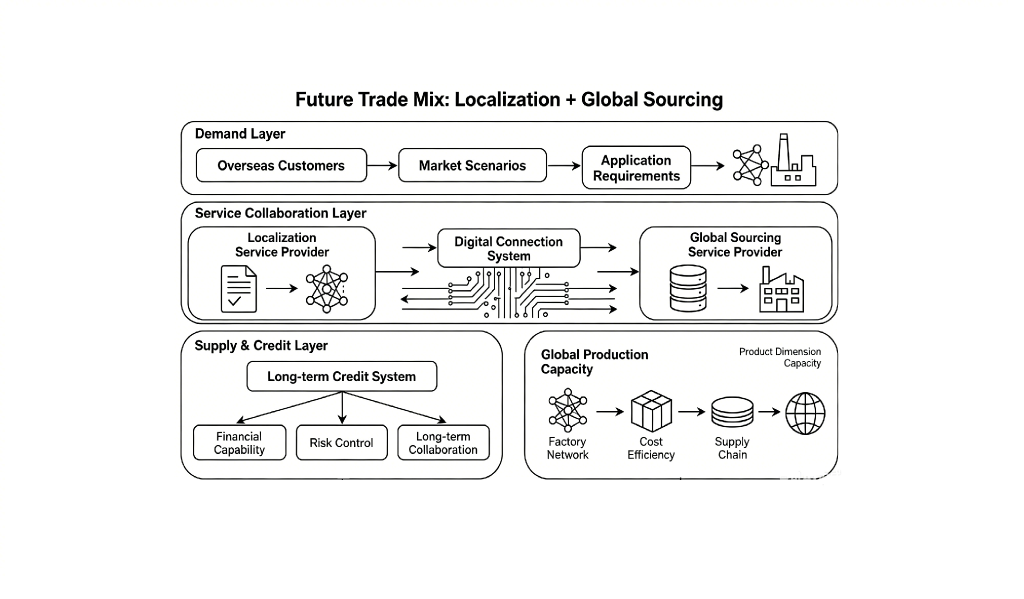
Future supply chain competition will increasingly depend on:
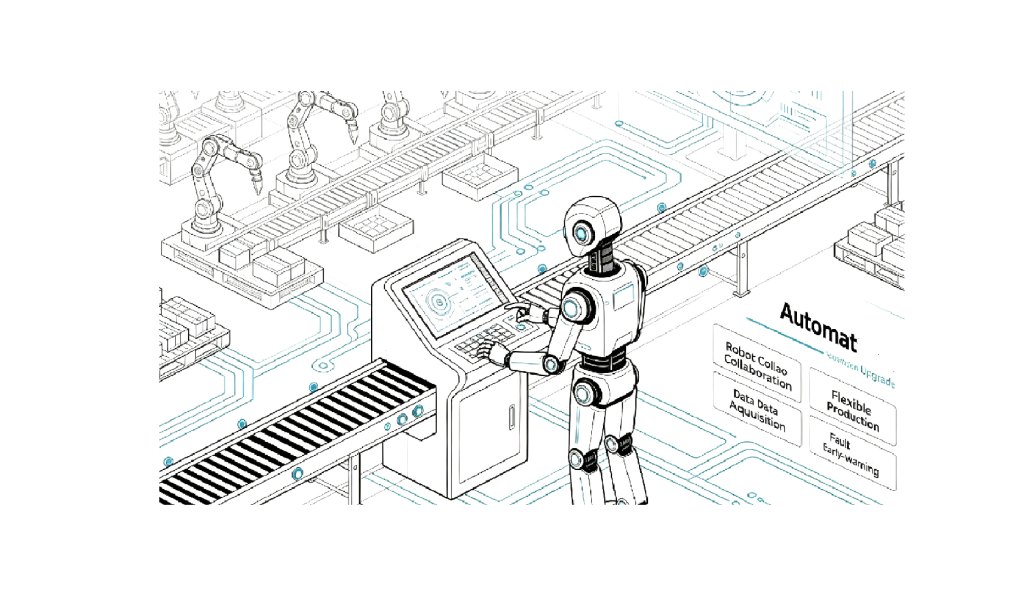
✓ Digital manufacturing capability
✓ Process optimization capability
✓ Cost control capability
✓ Product innovation capability
✓ System-level manufacturing capability
Material utilization rate is one of the most valuable data-driven indicators.For global buyers, Finding suppliers is not difficult.The real challenge is: Finding manufacturing partners that can continuously create long-term value.
Therefore, supplier evaluation should go beyond:
✓ Factory size
✓ Equipment quantity
✓ Marketing materials
and focus deeper on:
✓ Material utilization rate
✓ Product yield
✓ Manufacturing processes
✓ Process maturity
✓ Continuous improvement capability
Conclusion: The Core Competitiveness of Excellent Manufacturers Is Creating More Value with Less Waste
Material utilization rate provides an important window into a factory’s true manufacturing capability.When a product meets performance requirements and achieves consistently high material utilization efficiency, it represents more than cost advantages.
It demonstrates:
✓ A mature manufacturing system
✓ Stable product quality
✓ Strong engineering capability
✓ Long-term partnership value
The future competition in global supply chains will not simply be about finding suppliers with lower prices.
It will be about finding: Manufacturing partners that can continuously create value, reduce risks, and grow together with customers.